The R-value on a batt label measures thermal resistance: the higher the number, the more the batt slows heat moving through it. R-value rises with thickness for a given material, so a higher R batt is a deeper batt. Ceiling insulation batts in stock run from R2.5 to R7.0, and wall batts from R1.5 to R4.0.
Insulation orders go wrong at the label. A pack shows an R-value, a thickness, a width and a coverage figure, and each one answers a different question. This guide reads those labels, lists the ceiling and wall batts we hold by R-value, works through a pack count and separates thermal from acoustic batts. It does not set the R-value your building needs. That comes from the energy rules, and the section on them points to the source. Our insulation range sits behind the tables.
What does the R-value on a batt label mean?
R-value is thermal resistance, measured in square metre kelvins per watt, and written as R followed by a number. A batt with R4.1 resists heat flow more strongly than one with R2.5. Within one product family, thickness drives it, so R2.5 is a thinner batt and R7.0 a much deeper one. Between families the thickness for the same R-value changes, which is why the tables below list thickness for each brand.
The label also shows the batt size and the pack coverage in square metres. R-value only counts when the batt fills its cavity without being squashed. A compressed batt performs closer to the R-value of its compressed thickness, as our guide to a ceiling insulation retrofit explains.
Which R-value suits ceiling insulation batts?
The table lists every ceiling R-value we hold, with the thickness and pack coverage for each brand. Pack coverage is shown for the 580mm and 430mm widths, in that order.
| R-value | Fletcher Pink Batts | Bradford Gold | Bradford Polymax | Ecowool |
|---|---|---|---|---|
| R2.5 | 130mm, 10.8 / 8.0 | 140mm, 10.8 / 8.0 | 140mm, 5.4 / 4.0 | 120mm, 12.78 / 9.48 |
| R3.0 | 155mm, 10.8 / 8.0 | 165mm, 10.8 / 8.0 | 180mm, 5.4 / 4.0 | 145mm, 10.09 / 9.48 |
| R3.5 | 175mm, 6.7 / 8.0 | 185mm, 6.7 / 8.0 | 180mm, 5.4 / 4.0 | 165mm, 8.07 (580 only) |
| R4.0 | - | - | 200mm, 4.0 / 3.0 | - |
| R4.1 | 215mm, 6.7 / 4.9 | 215mm, 6.7 / 5.0 | - | 195mm, 7.4 / 5.99 |
| R5.0 | 220mm, 6.1 / 4.5 | 240mm (HP), 5.4 / 4.0 | - | - |
| R6.0 | 250mm, 4.0 / 3.0 | 260mm (HP), 4.0 / 3.0 | - | - |
| R7.0 | 285mm, 2.7 / 2.0 | - | - | - |
Fletcher and Bradford glasswool batts make up most of this range, with Ecowool and Bradford Polymax polyester as alternatives where the product suits the roof space. We also hold a Knauf Ceiling Batt in R3.5 at 175mm, supplied in packs of five. Our brands we stock page lists every maker on the shelf.
Which R-value batt goes in a wall?
Wall batts are shallower because the cavity is. A 90mm stud cavity takes a 90mm batt, and deeper batts need deeper framing. The wall range runs from R1.5 to R4.0.
| R-value | Fletcher Pink Batts | Bradford Gold | Bradford Polymax | Ecowool |
|---|---|---|---|---|
| R1.5 | 65mm and 70mm, 16.2 / 12.0 | - | 90mm, 10.8 / 8.0 | 75mm, 13.46 / 9.98 |
| R2.0 | 90mm, 16.2 / 12.0; HD 70mm, 8.1 / 5.9 | 90mm, 12.1 / 11.0 | 90mm, 8.1 / 6.0 | 90mm, 14.13 / 10.47 |
| R2.5 | HD 90mm, 8.1 / 6.0 | HP 90mm, 5.0 (420 wide) | - | Acoustic HD 90mm, 7.40 / 5.49 |
| R2.7 | - | HP 90mm, 2.4 (420 wide) | - | - |
| R4.0 | HD 140mm, 3.4 / 2.5 | HP 140mm, 3.3 (570 wide) | - | - |
Knauf Wall Batt R2.0 HD in 75mm is also stocked, in packs of four. HD and HP batts are the higher-density lines, and they reach a given R-value in less thickness.
Why do batts come in 430 and 580 widths?
The widths follow the two common framing spacings. A 430mm batt is made for framing at 450mm centres, and a 580mm batt for framing at 600mm centres. Some Pink Batts R4.1 and R5.0 lines come in 450 and 600 widths at 1200mm long instead. Treat the centres as indicative, and confirm the fit against the pack label and the maker’s data before you order.
How many packs does a room need?
Measure the area to be insulated and divide by the pack coverage. Round up, because a part pack cannot be bought.
- Ceiling of 5.0m by 4.0m: 20 square metres
- Add an allowance for cuts around downlights, edges and hatches: for example 10 percent, so 22 square metres
- R4.1 Fletcher Pink Batts, 580 wide: 6.7 square metres per pack
- 22 divided by 6.7 is 3.3, so order four packs
Deduct door and window openings from wall areas, and measure framing centres before you pick a width. If a batt has to be cut to fit, cut it to fill the cavity fully. Our trade counter will check the count if you send the dimensions. For how batts travel to site, see our guide to planning a delivery to a tight site.
Thermal batts or acoustic batts: what is the difference?
Thermal batts are chosen for R-value. Acoustic batts are chosen for density and fibre, because dense material in a wall cavity absorbs sound. Their R-value is a secondary figure. The names show the difference: Higgins HP acoustic batts at 32kg per cubic metre, Ecowool acoustic partition batts at 11kg to 32kg, Fletcher Pink Soundbreak in R2.0 to R3.1 and Ecowool Noise Break in R2.0 and R2.7.
A wall’s acoustic result comes from the whole system, which includes the framing, the lining layers, the cavity fill and the detailing, not from the batt alone. Our guide to Rw ratings for party walls explains how those pieces combine.
Where do the energy rules set the target?
The National Construction Code sets energy efficiency requirements by climate zone and building class, and the Australian Building Codes Board publishes them. Start at the ABCB energy efficiency pages and the NCC online, and ask your energy assessor or designer which requirement applies to your building. We do not restate those figures here, so that this page cannot fall out of step with the code.
Two of our other guides cover the application. Insulation for Queensland homes looks at the design side, and ceiling insulation upgrades for established homes covers retrofit. Bradford publishes technical advice on its expertise and advice pages.
Getting batts supplied in South East Queensland
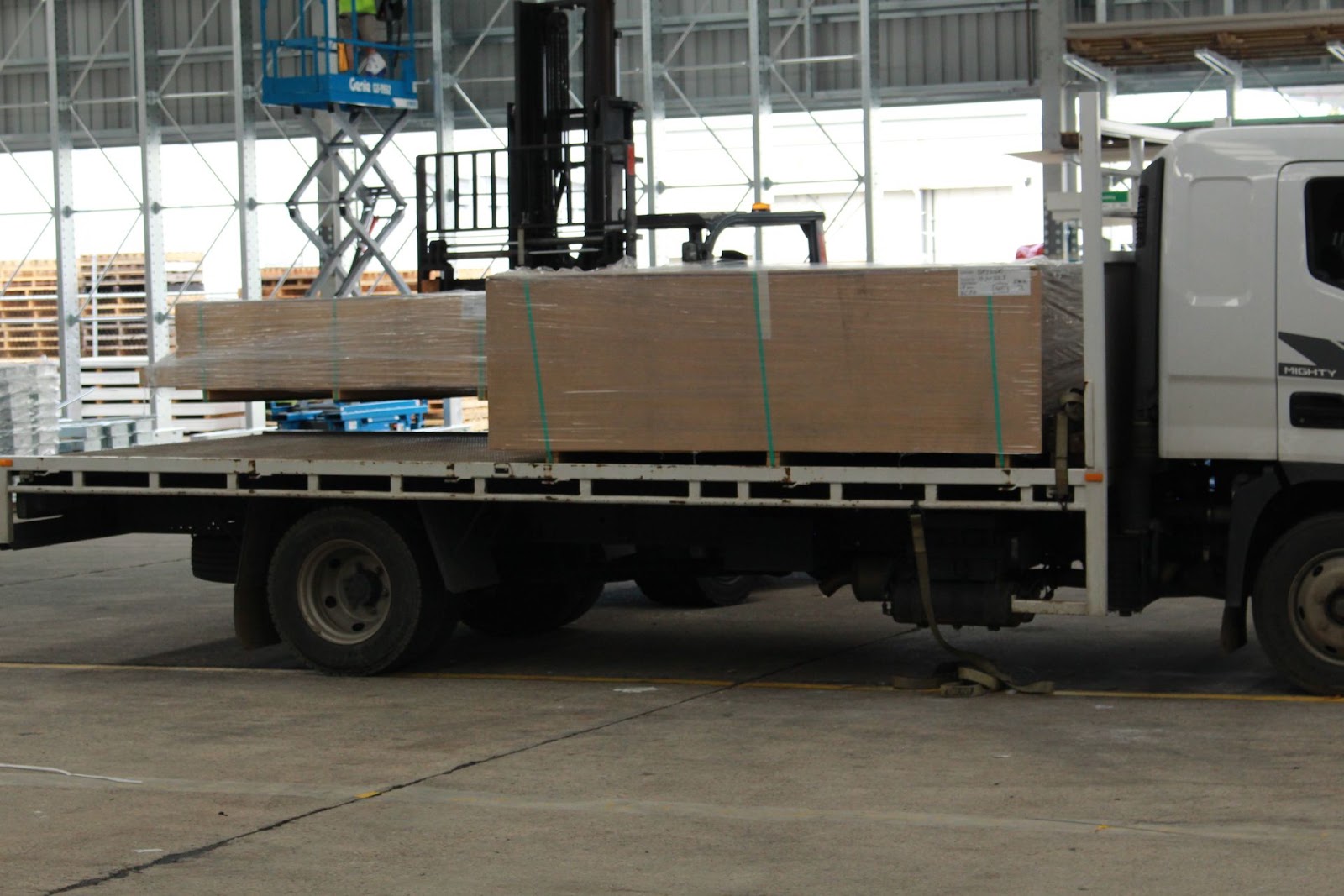
Bayside Plasterboard stocks ceiling and wall batts at its four yards: Morningside in Brisbane, Chandler in the Redlands, Caboolture on the northside and Carrara on the Gold Coast. Batts load onto the same truck as the plasterboard for site delivery. Tell the trade counter the area, the R-value from your design and the framing centres, and we will turn them into a pack count.
Call (07) 3245 4488 and have the R-value, the area and the framing centres ready.
Batts on the truck with the board?
Send Bayside Plasterboard the area, the R-value from your design and the framing centres, and we will add the right batts to the order for delivery across South East Queensland.
Get an insulation quote →